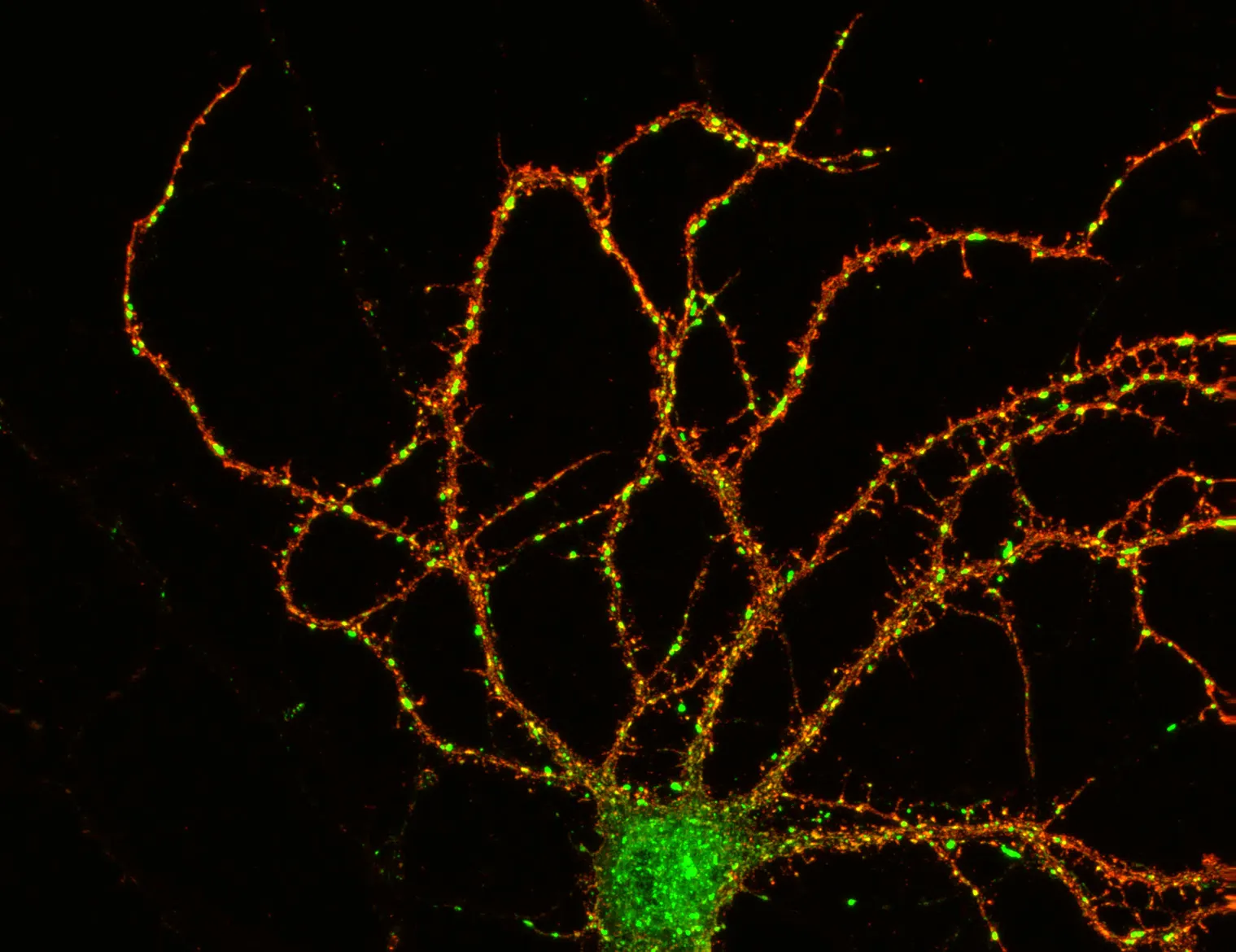
Our Interests
At the heart of our research is the question of how the mammalian nervous system creates basic, evolutionary conserved states, such as aversive emotions and their corresponding behavioral and physiologic changes.
We focus on neuronal circuits within the midbrain, at the intersection of higher-order information from the forebrain, descending control outputs and ascending interoceptive pathways. In particular, we are interested in defensive brain states such as fear and anxiety, which are evoked by threatening stimuli and are characterized by a range of hormonal, behavioral and autonomic adaptations.
We use state-of-the-art methodology, such as in vivo electrophysiological recordings and calcium-imaging of defined neuronal subpopulations, optogenetics, cardiac measures and neuroanatomical tracings to gain a more detailed, and mechanistic level of analysis of the neuronal substrates underlying defensive brain states and their corresponding bodily functions. These technologies are applied in and combined with classic and semi-naturalistic behavioral fear and anxiety tests in rodents.
How do neuronal circuits integrate bottom-up information about bodily states with top-down locomotor and visceromotor control to establish different fear and anxiety states? Adressing this question will help to elucidate pathophysiological changes within basic processes that contribute to neuropsychiatric symptoms.
We aim at a better understanding of the neuronal circuits that underlie brain-body interactions in fear and anxiety, and to develop models for targeted "circuit therapy" with enhanced specificity to treat systems neuropsychiatric disorders.
Our Projects
ChatGPT/Prompt: nerve cells/2026
Brainstem circuits for defensive states
Mapping survival circuitries
The encounter of a threat evokes a multitude of systemic adjustments in order to avoid or reduce harm. ‘Defensive states’ are thus an important evolutionary adaptation, which has evolved in many animals and humans. However, a dysfunctional neuronal n...
HT-Studio
Cardiac interoception processes
Heart-brain communication
Mental and cardiac health are intricately linked, as exemplified by a number of clinical studies showing increased risk of heart disease in patients suffering from depression or anxiety-related disorders. The autonomic nervous system links brain and ...
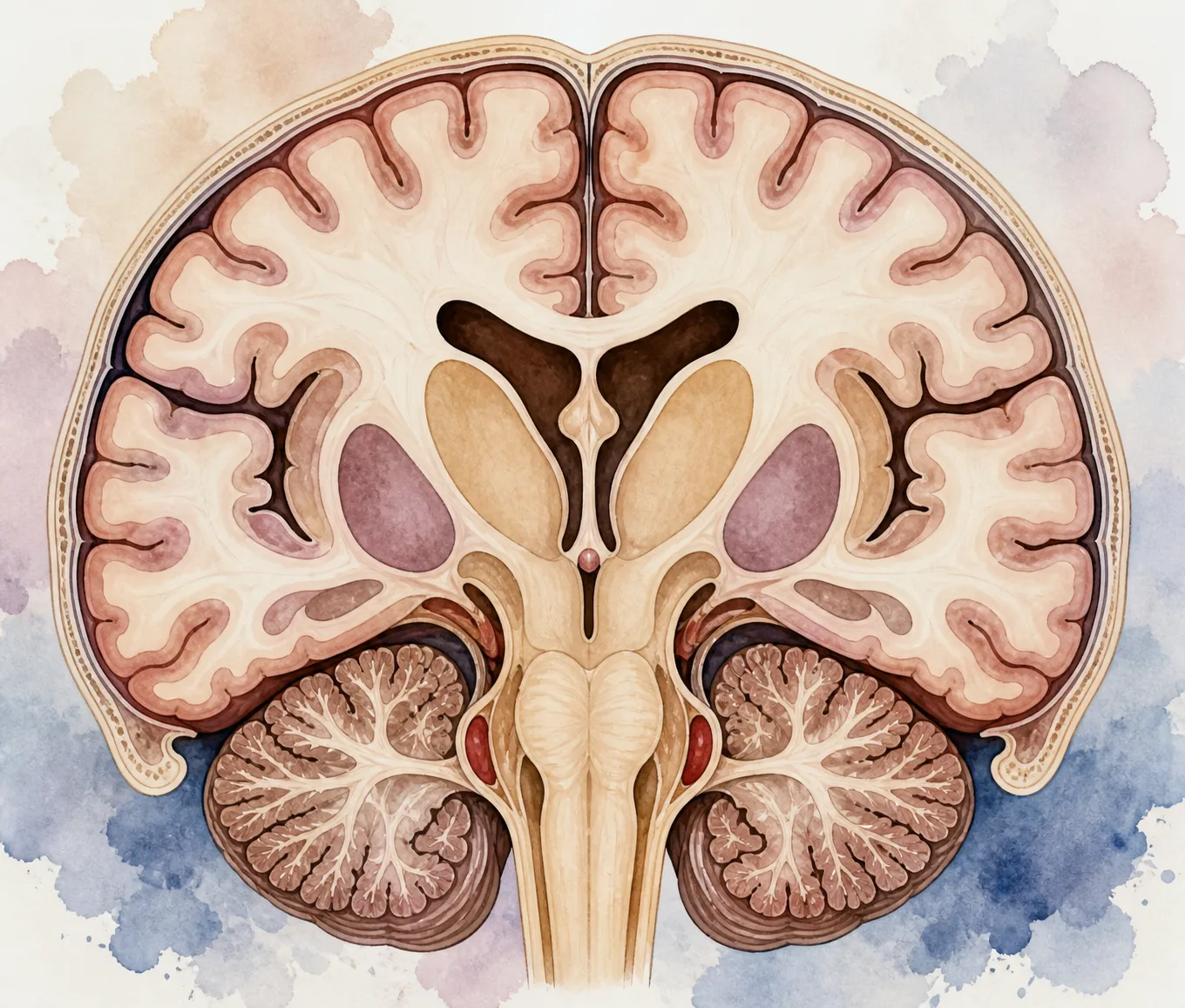
ChatGPT/Prompt: Cross-section of a brain/2026
Resolving pain
How pain is shaped by social factors
Chronic pain is thought to be related to changes in certain brain pathways, particularly in a region of the brainstem called the periaqueductal gray (PAG). However, exactly how these changes contribute to pain is still not fully known. In this resear...
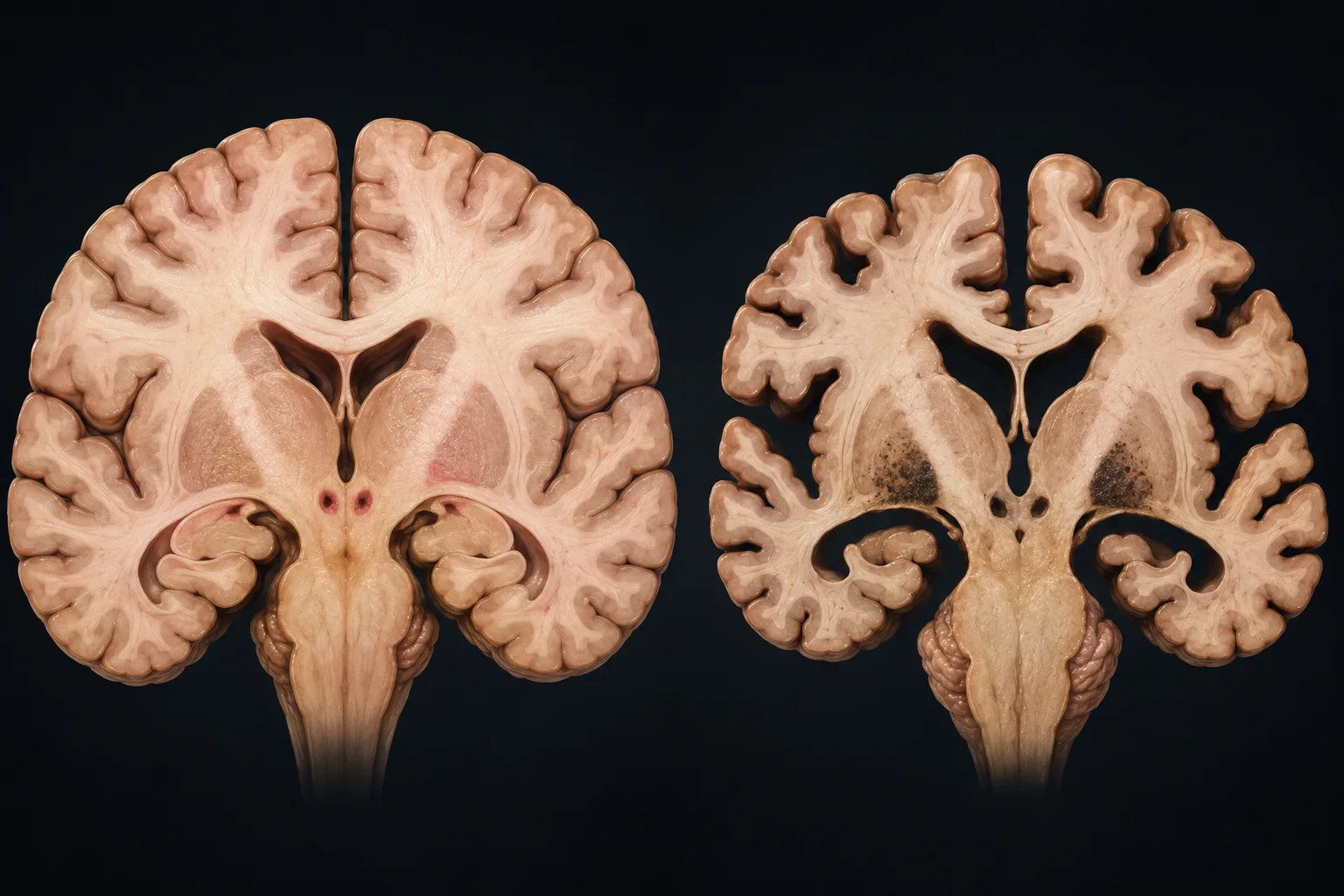
ChatGPT/Promt: Healthy versus degenerated brain sections/2026
Defensive state mechanisms in Parkinson’s disease
Motor symptoms and anxiety
Freezing of gait (FoG) is a severely debilitating motor symptom of Parkinson’s disease (PD) that currently lacks optimal treatment options. Anxiety has been associated with severity of FoG in PD, which is further affected by stress and emotional situ...
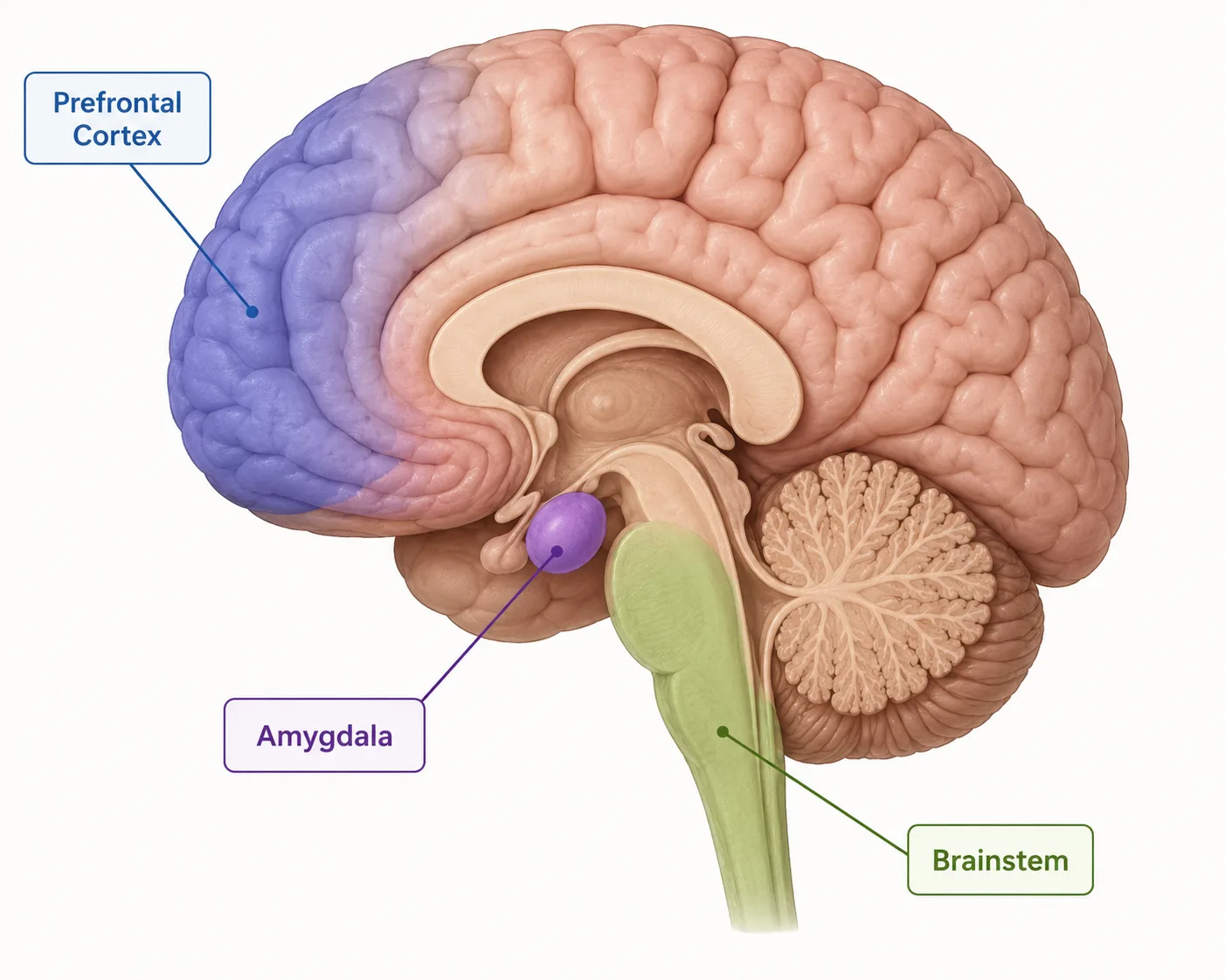
ChatGPT/Prompt: prefrontal cortex, amygdala, and brainstem/2026
RTG 2660 Approach Avoidance
How the brain decides between approach and avoidance behavior
The project investigates how the brain decides between approach and avoidance behavior—two fundamental and often opposing action strategies that shape our responses in uncertain or conflicting situations. While approach behavior is typically linked t...
Methodology
Our lab utilizes state-of-the-art techniques to dissect neural circuits.
Optogenetics
Cell-type specific manipulation of neuronal activity with millisecond precision.
Calcium Imaging
Large-scale recording of neuronal population dynamics in behaving animals.
Viral Tracing
Mapping structural connectivity with monosynaptic resolution using modified viruses.
Behavior Analysis
AI Based detection and quantification of rodent behavior.